At SA Cladding, we believe a good floor should feel solid, stay quiet and work efficiently.
The Hebel Flooring system delivers all three.
It’s a lightweight concrete floor made from aerated panels.
This is why many Adelaide projects choose Hebel Flooring as their main structural floor system.
For practical details on services and pricing, you can also visit our dedicated
Hebel flooring service page.
Key Takeaways
-
Hebel floor panels are made from aerated concrete, so they are light but strong.
-
The system offers fire resistance, sound control and good thermal performance.
-
It suits homes, townhouses, units and many commercial spaces.
-
Once finished, it feels like a solid concrete floor underfoot.
-
SA Cladding supplies and installs these systems across Adelaide with compliant methods and neat finishes.
What Is This Hebel Floor System?
This floor system uses autoclaved aerated concrete (AAC) panels.
Each panel is:
-
Reinforced for strength
-
Designed to handle everyday loads
-
Built to insulate against heat and noise
Because the panels are lighter than many traditional floors, they can be faster to install and easier to manage on site.
If you want to see how Hebel is used in walls and other areas as well, you can read
Hebel Adelaide | Expert Hebel Installation & Supply.
Main Benefits
1. Strong and Long-Lasting
These panels create a solid, stable floor.
-
Suitable for everyday residential use
-
Used in many multi-residential and light commercial projects
-
Resistant to pests and rot when installed correctly
Once you add tiles, carpet or timber, the floor feels firm and secure.
2. Better Energy Performance
The aerated structure of AAC gives built-in insulation.
-
Slows heat loss in winter
-
Reduces heat gain in summer
-
Helps lower heating and cooling use over time
This supports more comfortable rooms and a more efficient building.
3. Quieter Living
The system also helps with noise control.
-
Reduces noise between levels
-
Great for double-storey homes and townhouses
-
Useful in apartments where privacy and quiet are important
This can make upstairs living areas feel calmer and more private.
4. Low Ongoing Maintenance
Once installed and finished, the system needs very little upkeep.
-
Normal cleaning for the final surface (tiles, carpet, etc.)
-
Occasional visual checks of joints and finishes
-
Prompt repair of any chips or impact damage
There is no need for special coatings on the panels themselves.
Compared to Other Floor Types
When you compare this Hebel system with timber or conventional concrete, some clear differences appear.
-
Compared to timber
-
Timber can warp, swell or squeak.
-
It often needs more maintenance.
-
Hebel panels stay stable and are not affected by pests in the same way.
-
-
Compared to traditional concrete
-
Conventional concrete is heavy and can be slower to pour and cure.
-
It may not offer the same thermal benefits.
-
AAC panels are lighter, quicker to place and provide better insulation.
-
Where This System Works Best
These floor panels suit many project types.
Homes and Townhouses
Typical uses in homes include:
-
Upper levels in double-storey houses
-
Townhouses and terraces
-
Extensions and additions over existing structures
They’re a good match where you want a solid, quiet floor without adding too much weight.
Multi-Residential and Commercial
In larger projects, the panels are often installed in:
-
Apartments and unit stacks
-
Office and mixed-use spaces
-
Education and healthcare areas that need quiet, durable floors
The combination of strength, noise reduction and fire performance makes the system practical for many designs.
How the Installation Works
A good result starts with careful planning and tidy installation.
Planning and Prep
-
Review structural plans and spans
-
Confirm engineering requirements and codes
-
Check access for panels and lifting equipment
-
Mark out lines, penetrations and service locations
This step helps avoid delays and ensures the floor performs as intended.
Installing the Panels
-
Panels are lifted into place and set to line
-
Fixings are installed to manufacturer standards
-
Joints are aligned and supported as designed
-
Gaps and edges are sealed and prepared for coverings
The aim is to create a flat, secure deck ready for tiles, carpet, timber or other finishes.
Compliance and Safety
During the job, installers must:
-
Follow Australian building codes
-
Work to engineer details and Hebel guidelines
-
Maintain safe work practices on site
If you prefer a full service, you can combine supply and install via
Adelaide Hebel Supply & Installation.
Why Choose SA Cladding
At SA Cladding, we work with Hebel systems across Adelaide every week.
That includes external wall panels, fencing and this floor system.
You can expect:
-
Installers experienced with AAC floor panels
-
Clear, itemised quotes
-
Coordination with your builder or site supervisor
-
Clean, handover-ready sites at the end
Our goal is to make the process straightforward from first enquiry through to final finish.
Visual Ideas for This Page
To help visitors understand the system quickly, consider adding:
-
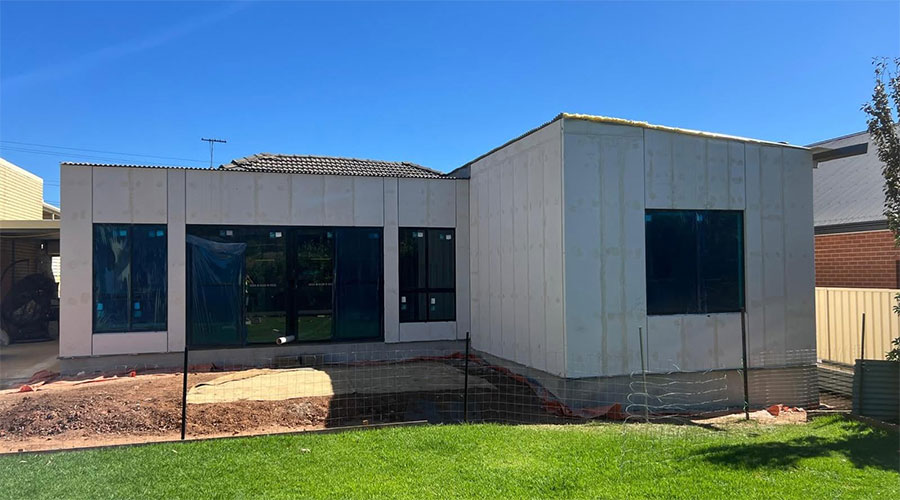
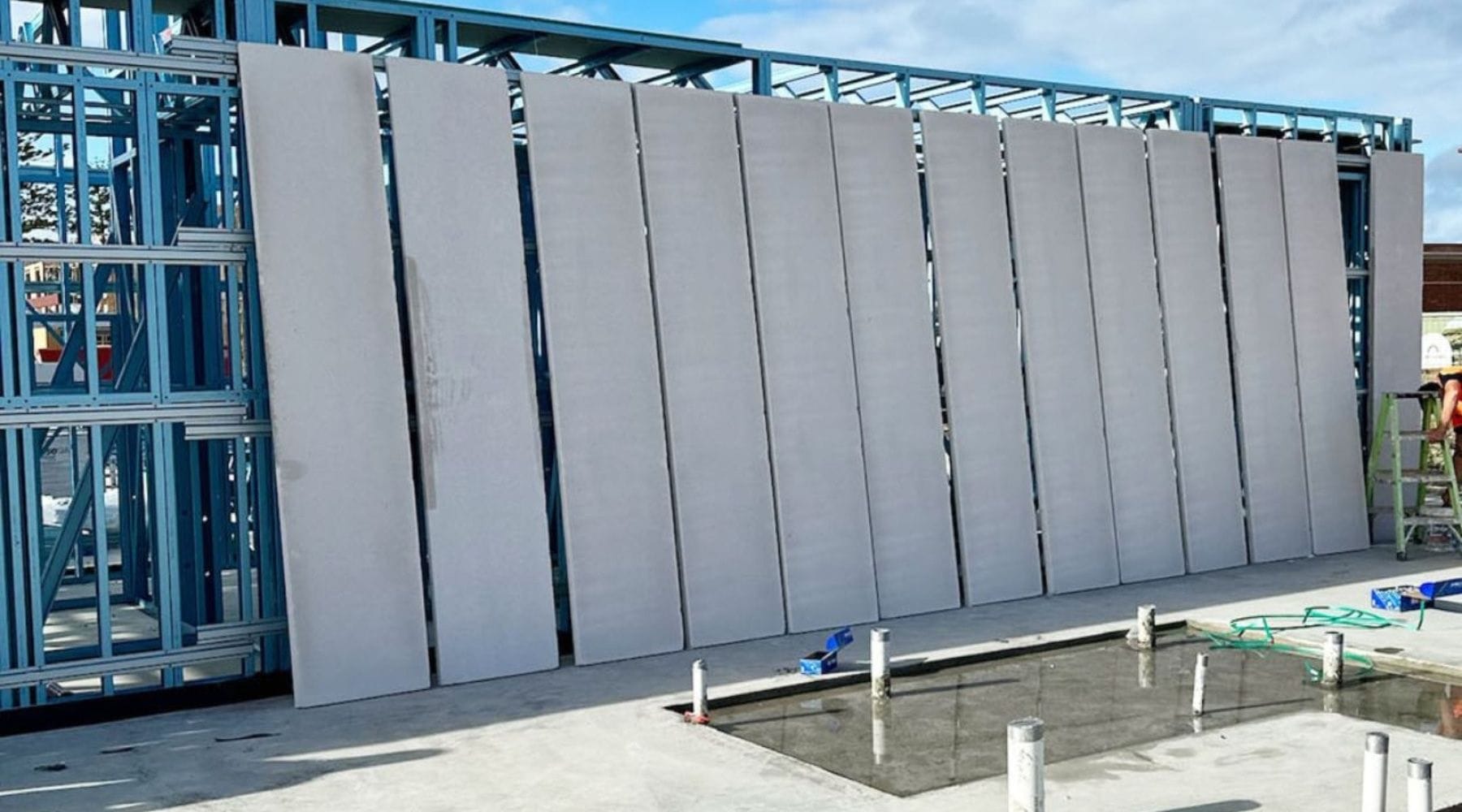
Photos of panels installed before the top layer goes on
-
Cross-section diagrams showing thermal and acoustic layers
-
Before-and-after shots of upstairs living spaces
-
Site photos of panels being lifted and set into place
These visuals make it easier for clients to picture the system in their own projects.
How to Get a Quote in Adelaide
If you’re planning a project and want pricing for Hebel Flooring, it’s simple to start:
-
Collect your plans or basic room measurements.
-
Decide if you need supply only or supply and install.
-
Tell us whether the project is a home, units or commercial space.
Send these details through
Get a Cladding Quote,
and our team will respond with clear pricing and next steps.
FAQ
What are these floor panels made from?
They are made from autoclaved aerated concrete (AAC).
This material uses sand, cement, lime, gypsum, water and a small expansion agent to form a light but strong product.
Where can this floor system be used?
Common uses include:
-
Homes and townhouses
-
Multi-residential projects
-
Light commercial and office spaces
It is most often installed on upper levels, mezzanines and areas where weight matters.
Is it good for noise reduction?
Yes. The density and design of the panels help reduce noise between levels, which is ideal in multi-storey homes and unit buildings.
How does it perform in a fire?
Hebel is non-combustible and offers strong fire resistance.
When installed correctly, it helps buildings meet fire performance requirements.
How do I arrange Hebel Flooring for my project?
Mention Hebel Flooring when you fill out the
Get a Cladding Quote form, and include your plans or measurements.
We’ll advise on supply, installation or a full service for your Adelaide project.