SA Cladding | Adelaide Cladding Specialists
CFC Cladding Pros and Cons: Is It Right for Your Project?
A straightforward look at compressed fibre cement cladding, its advantages and drawbacks, and the projects it suits best across Adelaide.
If you are researching cladding for a new build or renovation, CFC cladding has almost certainly come up. It is one of the most widely used exterior materials in modern Australian construction. However, like any product, it has both strengths and limitations worth understanding before you commit.
What This Guide Covers
First, we explain what CFC cladding actually is. Next, we weigh up its main advantages and disadvantages. Finally, we look at the projects it suits best. Whether you are a homeowner, builder, or designer, this straightforward guide helps you decide with confidence.
What Is Compressed Fibre Cement (CFC) Cladding?
CFC cladding is made from cement, cellulose fibres, and sand, pressed together under high pressure. As a result, the finished sheet is dense, stable, and strong. In fact, that compression is exactly what sets CFC apart from lighter fibre cement products.
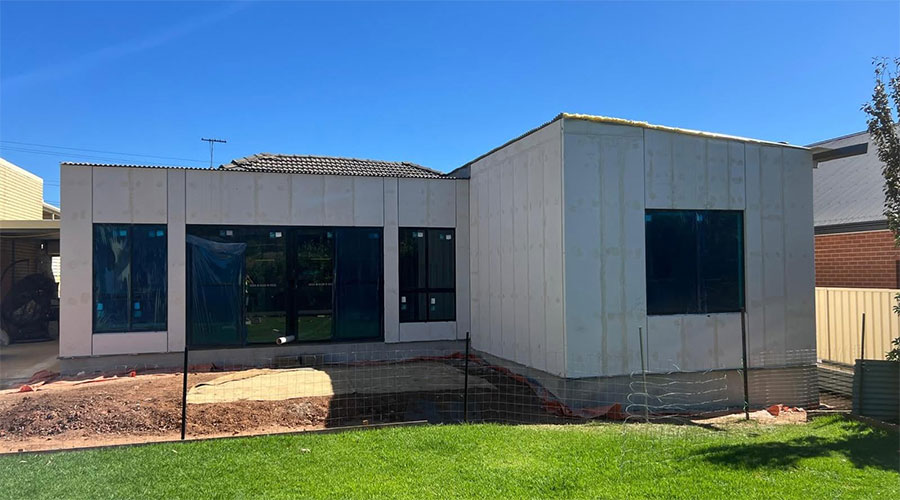
In short, CFC cladding is a compressed fibre cement panel fixed to a building’s exterior. It resists moisture, rot, and termites, holds clean architectural lines, and accepts paint or render. As a result, it delivers a durable, modern finish.
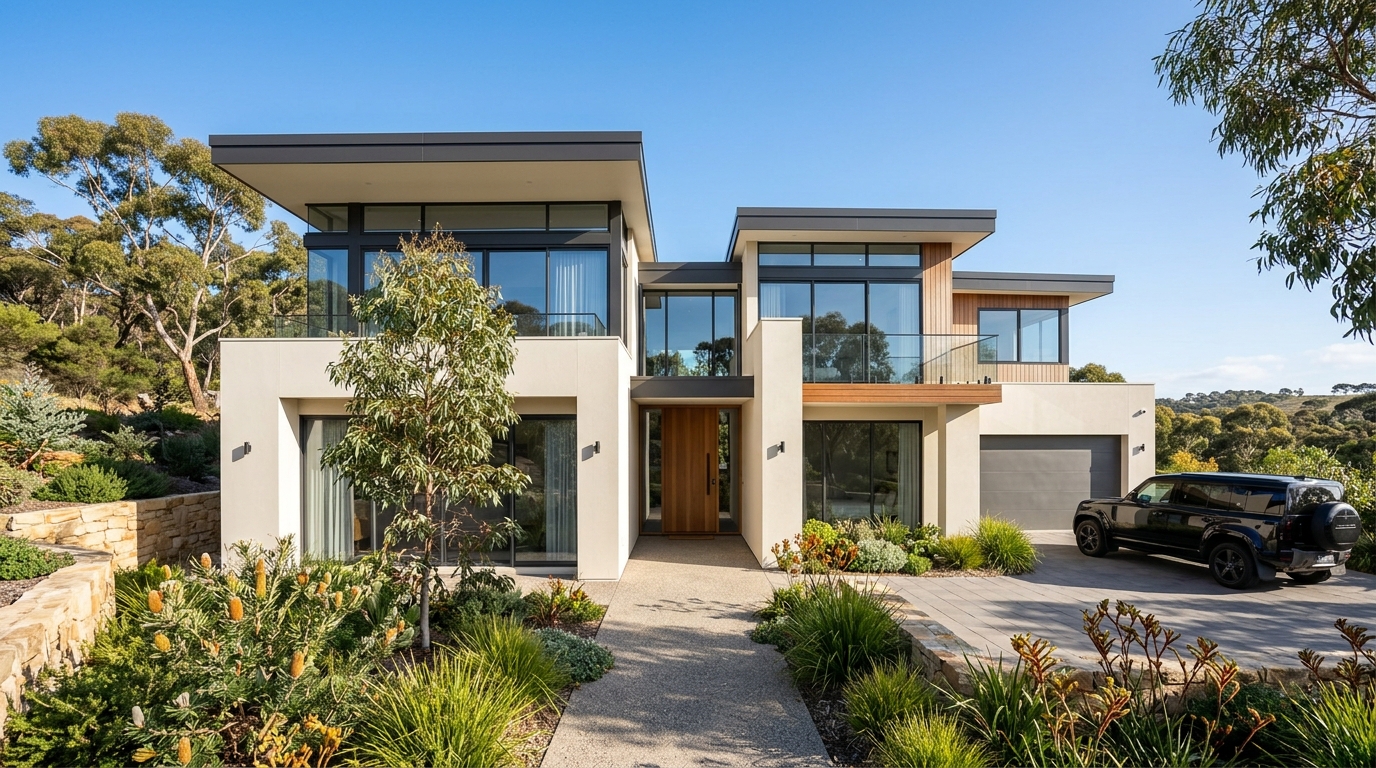
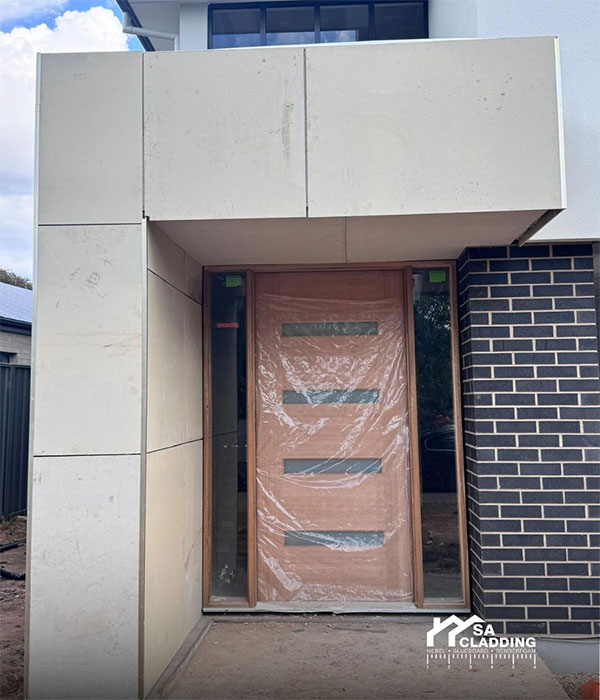
Because of these qualities, CFC suits modern facades, upper-storey sections, feature entries, and commercial exteriors. SA Cladding supplies and installs CFC cladding across Adelaide for both residential and commercial projects. To see the full service, visit the Adelaide CFC cladding page.
The Advantages of CFC Cladding
CFC cladding is popular for good reason. It brings together durability, low maintenance, and design flexibility in one product. Here are the main benefits.
Durable & Weather Resistant
CFC stands up to tough weather, fire, and pests. Consequently, it performs reliably in Adelaide’s warm, dry summers and variable winters, with a long service life.
Low Maintenance
Because it resists rot and moisture, CFC needs little upkeep over its life. As a result, it saves both time and money compared to materials that require frequent attention.
Design Flexibility
CFC accepts paint or render readily. Therefore, it delivers clean, modern lines and adapts to almost any architectural style you have in mind.
Energy Efficient
CFC helps keep buildings warmer in winter and cooler in summer. In turn, this reduces the need for heating and cooling, which lowers energy use.
Sustainable Choice
CFC uses materials that waste less and use less energy. For environmentally conscious builders, that makes it a genuinely responsible option.
Suits Many Applications
From upper storeys to feature entries and commercial facades, CFC works across a wide range of uses. Moreover, it suits both homes and commercial buildings equally well.
The Disadvantages of CFC Cladding
No material is perfect, and honesty matters when you are making a big decision. So it is worth weighing these considerations alongside the benefits above.
- ▶
Professional installation is essential. CFC is not really a DIY material. Because correct fixing, jointing, and sealing matter so much, a poor install can lead to cracking or water issues. Therefore, a licensed installer is strongly recommended. - ▶
It needs a finish. CFC sheets are usually painted or rendered rather than left bare. As a result, the finishing stage adds a step, though it also gives you full control over the final look. - ▶
Careful handling during cutting. Like most fibre cement products, cutting CFC produces dust. Consequently, it requires appropriate equipment and safe work practices, which is another reason to use a professional. - ▶
Not a traditional masonry look. If you specifically want an exposed-brick or stone appearance, CFC is not the answer. Instead, it delivers a smooth, contemporary finish, which may or may not match your design goals.
Importantly, most of these points come down to installation and finish rather than flaws in the material itself. In other words, the right installer resolves them. That is exactly why choosing an experienced professional matters so much.
Is CFC Cladding Right for Your Project?
CFC is not the only cladding option, but it suits many projects extremely well. So how do you know if it fits yours? The scenarios below offer a useful guide.
CFC Is a Great Fit When…
- You want a clean, modern rendered or painted facade
- The project is a new build, renovation, or commercial exterior
- Durability and low maintenance are priorities
- You value energy efficiency and a sustainable material
Consider Other Options When…
- You specifically want an exposed-brick or natural stone look
- A heritage facade calls for a traditional material match
- Your design leans on genuine stone texture as a feature
- You are weighing Hebel for its thermal and acoustic mass
Ultimately, the best way to decide is a conversation about your specific site, budget, and design goals. Because every project is different, tailored advice beats a general rule of thumb every time.
If you would like expert guidance on whether CFC cladding suits your project, contact the SA Cladding team for a free consultation and quote.
FAQs: CFC Cladding
What is CFC cladding used for?
CFC cladding is used for exterior facades on both homes and commercial buildings. Specifically, it suits modern facades, upper-storey sections, feature entries, and commercial exteriors. Because it accepts paint and render, it also adapts to a wide range of design styles. SA Cladding installs CFC cladding across Adelaide for residential and commercial projects alike.
Is CFC cladding low maintenance?
Yes. Because CFC resists rot, moisture, and pests, it needs little upkeep over its life. As a result, it saves both time and money compared to materials that require frequent attention. Occasional cleaning and repainting keep it looking its best, but the ongoing maintenance demand is genuinely low.
Can I install CFC cladding myself?
It is not recommended. CFC installation requires correct fixing, jointing, and sealing to perform well and comply with standards. Because a poor install can lead to cracking or water issues, a licensed installer is strongly advised. SA Cladding is a fully licensed and insured Adelaide specialist that installs CFC cladding to Australian Standards.
Considering CFC Cladding for Your Adelaide Project?
SA Cladding supplies and installs high-quality CFC cladding for homes and commercial buildings across Adelaide. Fully licensed, accredited, and locally experienced. Get expert advice and a free, obligation-free quote.