Fast-Track Your Build with Superior Insulation
Understanding modern building materials is critical to keeping your construction project on schedule and energy-efficient. Hebel offers a proven, robust alternative to traditional masonry.
Key Commercial Benefits of Hebel Systems:
- Significant reduction in labour hours compared to standard brickwork.
- Exceptional thermal and acoustic insulation capabilities.
- High fire resistance rating, heavily suited for Australian conditions.
What is Hebel in Construction?
What is Hebel in construction? Hebel is a lightweight building product made from autoclaved aerated concrete (AAC). Depending on the system, panels may be reinforced. The complete wall design determines its structural, thermal and fire performance.
Autoclaved aerated concrete (AAC) is made from materials including sand, cement and lime. The mixture is aerated and cured under pressure. This creates a solid material with small air pockets. Hebel makes AAC blocks and panels for different building applications. See our Hebel block supply and installation service for Adelaide projects.
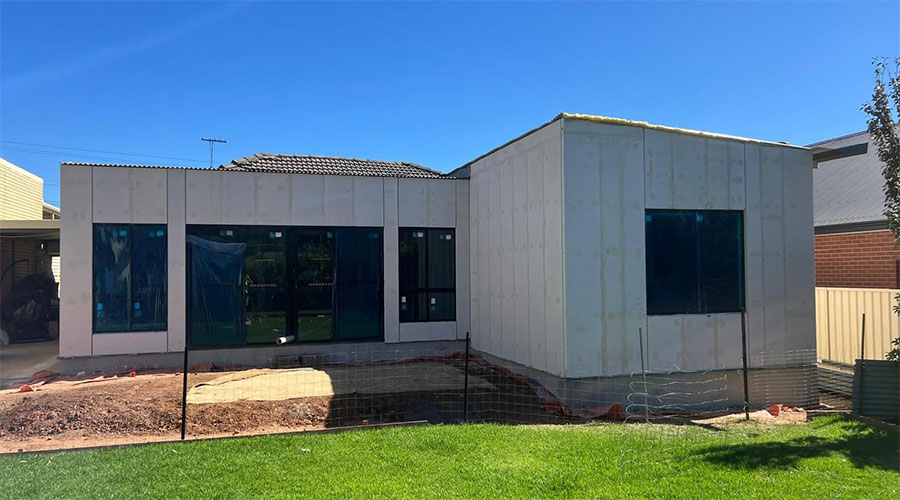
Hebel panels can cover a larger area than individual bricks. That may help an installer complete a wall more quickly. Actual time and labour costs depend on the design, site access, weather and chosen system.
Material choices can affect a project’s environmental footprint. Compare the full wall systems, product information and local requirements before choosing one. Ask the builder to explain any claimed sustainability benefits for the specific project.
The Challenge of Rising Costs and Extended Build Times
Brickwork and panel systems have different installation steps. Project time and cost depend on the design, trades and weather. Compare quotations for the complete wall, including the finish.
A delayed wall installation can affect the trades that follow it. Ask each contractor for an itemised scope and schedule. This helps you compare holding costs and understand where delays may arise.
A home’s energy performance depends on the complete design. Insulation, glazing, sealing and heating and cooling systems all matter. Compare wall systems against the project’s thermal requirements instead of judging the outer material alone.
Traditional Brickwork
- Labour-intensive and slow installation.
- Requires heavy foundational support.
- Lower inherent thermal insulation limits.
Hebel Panels
- Rapid installation slashes labour costs.
- Lightweight but structurally sound.
- Exceptional thermal and acoustic ratings.
How SA Cladding Solves This
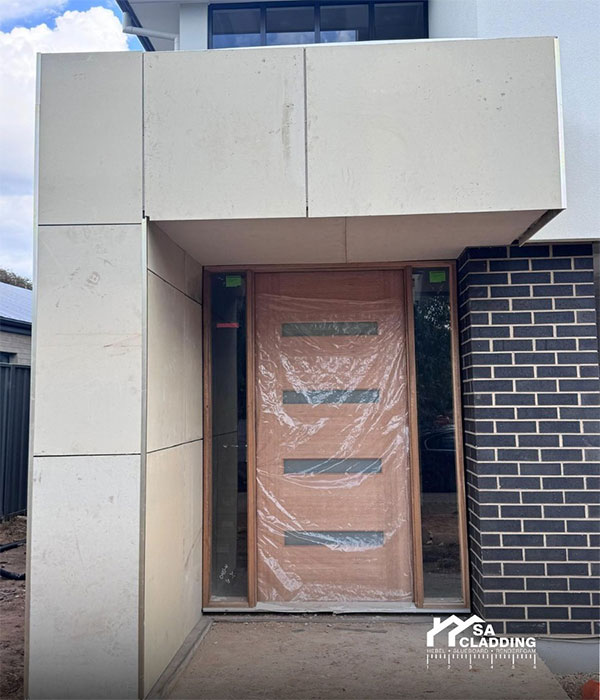
SA Cladding provides compliant, precision-installed Hebel panel systems for Adelaide homes and commercial properties. By managing both supply and installation, we eliminate scheduling delays and ensure flawless, weather-tight exterior finishes.
Product selection is only one part of the project. SA Cladding’s cladding installers can review the plans and the manufacturer’s system requirements. They then scope the fixing, finish and site conditions for the proposed installation.
We provide itemised quotes for residential and commercial projects. If you are considering Hebel for a house, share your plans and expected timeframe. We can explain the proposed cladding scope and what it includes.
AAC panels need the right fixing method, joints and finish for the chosen system. An installer should follow the manufacturer’s instructions and the project specification. These details should be checked during planning, installation and handover.
Fast-Tracked Structural Compliance
All our Hebel installations meet strict Australian Building Codes. Our structured process from initial consultation to final handover ensures your exterior wall systems pass structural compliance inspections without delays.
Frequently Asked Questions
These answers cover common questions about Hebel. The right choice depends on the product, the full wall system and the project design.
Is Hebel as strong as traditional brick?
Yes, Hebel panels offer exceptional structural stability. Each panel contains internal steel reinforcement coated in an anti-corrosion layer, ensuring maximum durability and heavy load-bearing capacity. While traditional bricks rely solely on the strength of mortar and individual units, Hebel operates as a highly resilient, unified panel system.
This structural integrity means Hebel is remarkably resistant against impact and standard building movement. It rigorously meets the demands of the Australian Building Code, making it a reliable choice for both standard residential homes and multi-level commercial structures.
In commercial environments, this reliable strength allows architects to design expansive wall spans with absolute confidence. The panelized system absorbs minor ground movements better than rigid brickwork, drastically reducing the risk of unsightly exterior cracking over the lifespan of the building.
Does using Hebel reduce overall construction costs?
Understanding what is hebel in construction involves looking closely at the speed of the installation timeline. Because a standard Hebel panel is equivalent in area to roughly 75 traditional bricks, installation is significantly faster. This rapid deployment drastically slashes on-site labour hours and extended scaffolding hire costs.
Furthermore, the lightweight nature of Autoclaved Aerated Concrete means less stress is placed on the building’s foundational slab. This can lead to reduced engineering and structural support costs in the early stages of a build, providing a stronger return on investment for property developers.
When factoring in the improved thermal efficiency, the financial benefits extend well beyond the initial construction phase. Property owners will experience a noticeable reduction in ongoing heating and cooling expenses, making Hebel an investment that continuously pays dividends year after year.
Is Hebel suitable for high-risk fire zones?
Absolutely. Hebel panels are inherently non-combustible and have been rigorously tested to meet stringent Australian fire safety standards. They are frequently specified in bushfire-prone areas across the country due to their proven ability to withstand extreme heat without catastrophic structural failure.
Using Hebel for exterior walls, zero-boundary walls, and intertenancy partitions provides a highly effective fire barrier. This not only protects the building’s occupants and the physical asset but also ensures strict compliance with localised council fire safety regulations.
For property developers constructing medium-density housing, this fire resistance is a critical commercial asset. It streamlines the local council approval process for multi-residential projects and provides peace of mind that the completed structure comfortably exceeds mandatory safety thresholds.
The best material depends on your plans, budget and performance requirements. Hebel is one option for Adelaide homes and commercial projects. Compare complete wall systems and ask how each one will be installed.
SA Cladding can review your plans and discuss a suitable Hebel or cladding scope. Book a consultation or contact our team to request an itemised quote.