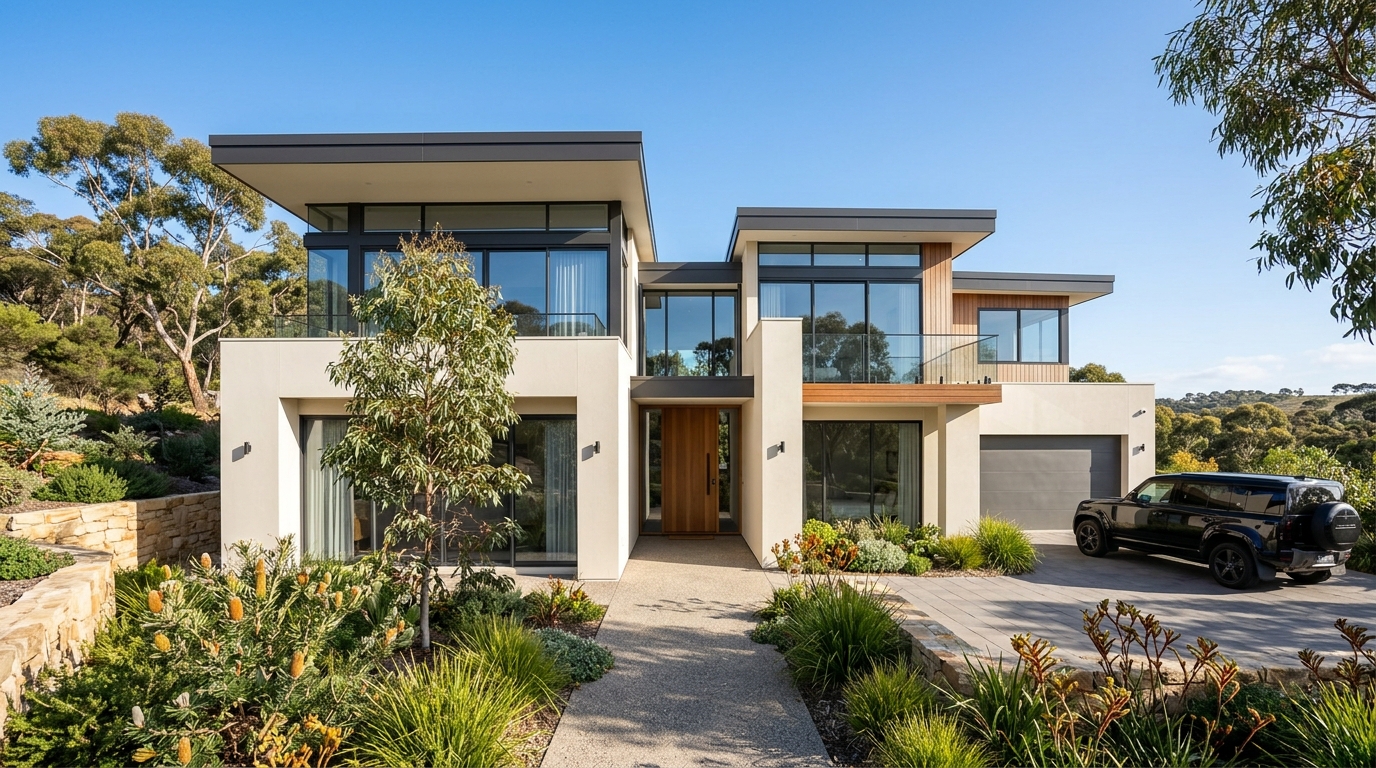

In the quest for sustainable living, the significance of energy-efficient buildings has never been more pronounced. In Adelaide, where the climate can swing from searing heat to chilling cold, the ability of a home or building to maintain a comfortable internal temperature without excessive reliance on heating and cooling systems is not just a matter of comfort, but of ecological responsibility and economic sense. Cladding, the protective skin of a building, plays a pivotal role in this energy conservation effort. This blog post delves into the impact of cladding on energy efficiency in Adelaide homes and buildings, revealing why it’s a crucial consideration for anyone in the construction or renovation process.
Understanding Cladding in Adelaide
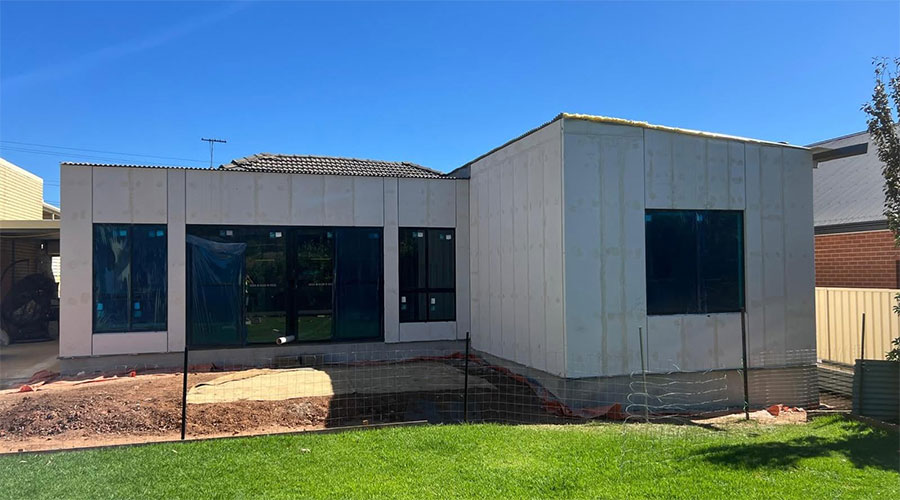
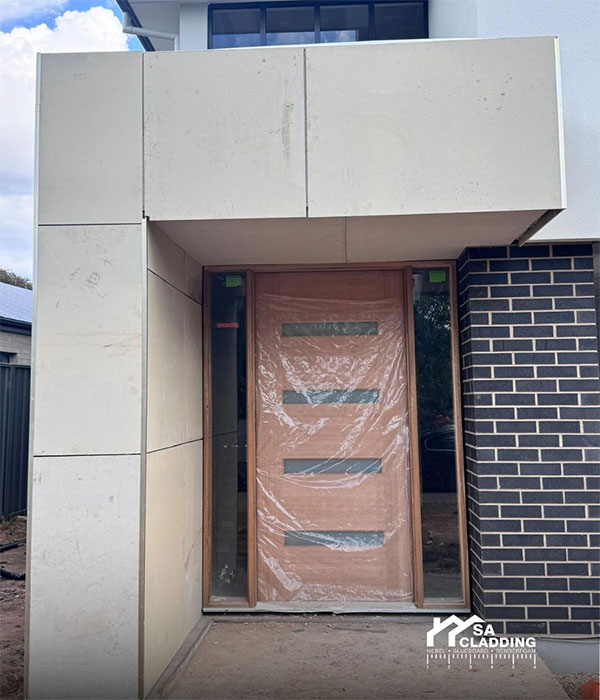
Cladding refers to the application of one material over another to provide a skin or layer intended to control the infiltration of weather elements, or for aesthetic purposes. While it traditionally served as a simple protective barrier, today’s cladding options offer much more. In Adelaide, common cladding materials range from classic brick and stone to modern vinyl and composite panels. Each material comes with its own set of properties that can influence a building’s energy performance.
Energy Efficiency: A Priority for Adelaide
Adelaide’s Mediterranean climate demands buildings that can keep cool in the hot, dry summers and warm during the mild, wet winters. Energy efficiency is not just a buzzword here; it’s a design imperative. Stringent building codes and standards, such as the National Construction Code (NCC), ensure that new constructions meet minimum energy efficiency requirements. For homeowners and builders alike, this means a growing interest in materials and designs that support a sustainable future.
How Cladding Enhances Energy Efficiency
The right cladding can dramatically improve a building’s thermal performance. Insulation properties are inherent in materials like insulated vinyl or wood fiber composites, which act as a barrier to heat flow. Thermal mass is another factor; materials like brick or stone absorb heat during the day and release it slowly when temperatures drop, reducing the need for artificial heating or cooling.
Conclusion
In conclusion, the choice of cladding has a profound impact on the energy efficiency of buildings in Adelaide. It’s not just about aesthetics; it’s about creating sustainable, comfortable, and cost-effective living and working spaces. Whether you’re building a new home, renovating an old one, or simply looking to improve your property’s energy performance, SA Cladding has the expertise and the materials to help you achieve your goals.
At SA Cladding, we understand the unique climate challenges of Adelaide and offer tailored cladding solutions that meet and exceed energy efficiency standards. Our team of experts is ready to guide you through the selection process, ensuring that your building not only looks great but also contributes to a greener, more sustainable Adelaide. Contact SA Cladding today to discuss how we can assist you in making your property as energy-efficient as possible.