The Complete Adelaide Guide
How Do You Compare Cladding Types and Costs in Adelaide?
Choose cladding for an Adelaide project by comparing the system’s suitability for your building and site, the finish you want, maintenance needs and the total installed cost. Compare quotes for the same wall area and scope, including preparation, access, fixings and finishing, rather than using the panel price alone.
This guide walks through the main cladding options available to Australian homeowners and builders, with particular reference to Adelaide conditions. It covers materials, performance, relative costs, and the project types each option suits best — so you can approach your next cladding decision with clarity. For project-specific advice, the team at SA Cladding is available for a consultation at any stage.
What Are the Main Cladding Types?
What Is CFC Cladding?
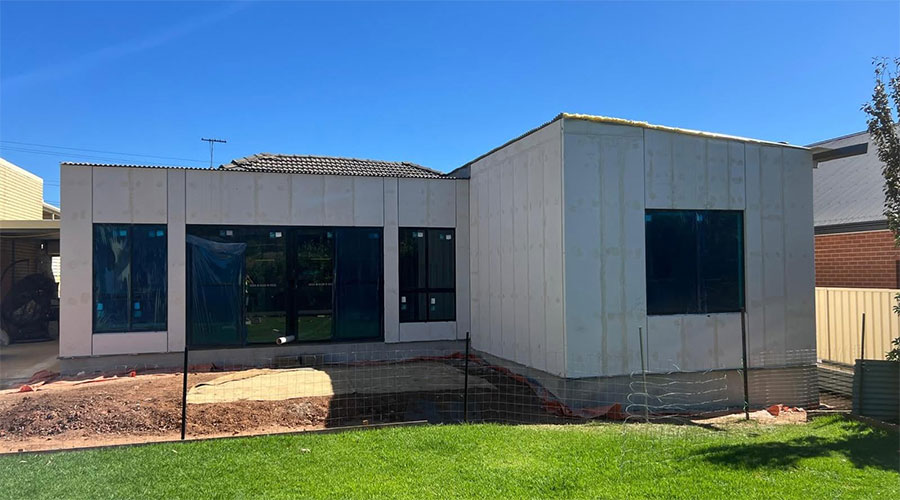
CFC panels are made from cement, cellulose fibres, and sand, pressed under high pressure to produce a dense, stable sheet. The result is a product that resists rot, moisture, and termite damage, holds clean architectural lines, and accepts render or paint to achieve almost any finish.
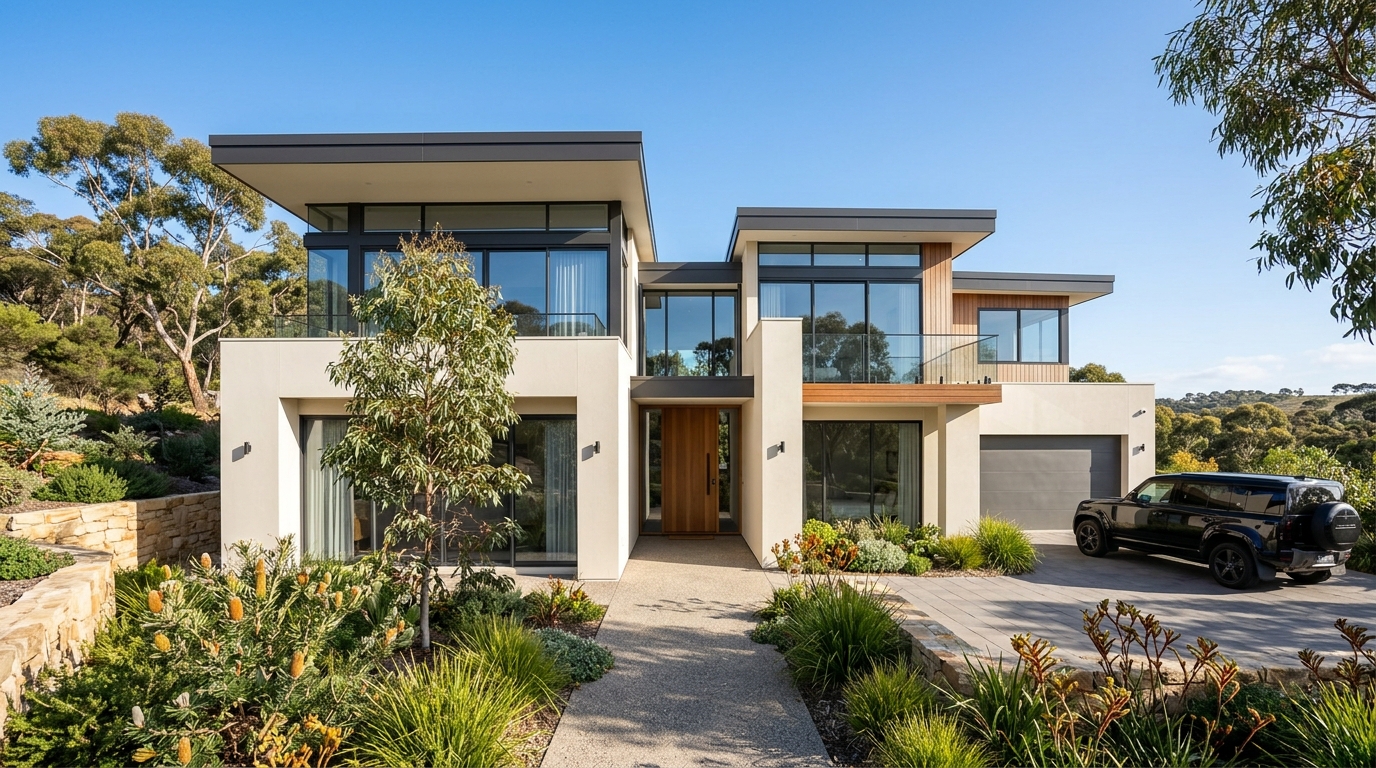
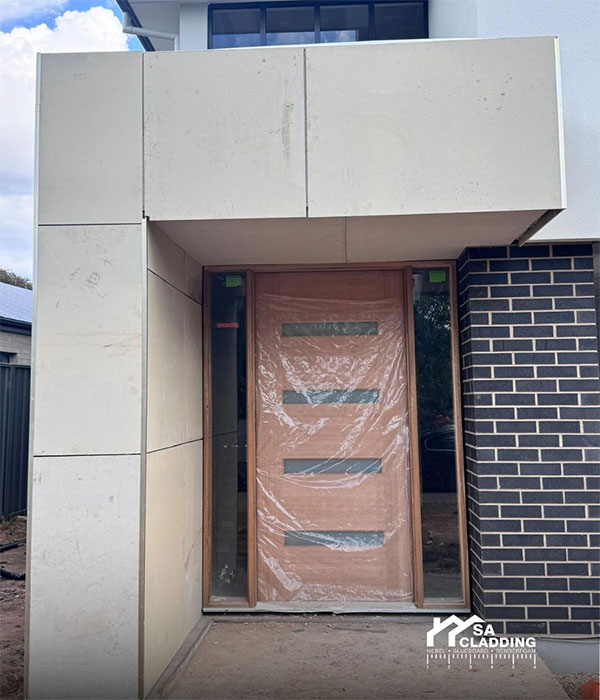
CFC is especially well-suited to modern residential facades, upper-storey sections, feature entries, parapets, soffits, and commercial exteriors where sharp, architectural detailing matters. Its weather resistance makes it a strong performer in Adelaide’s warm, dry summers and variable winters. It also offers a degree of thermal moderation, helping manage interior temperatures in South Australian conditions.
SA Cladding supplies and installs CFC cladding across Adelaide for both residential and commercial projects, handling everything from initial measure to final finish.
What Are Hebel and AAC Panel Systems?
Hebel is a brand of autoclaved aerated concrete (AAC) — a lightweight, cement-based panel with millions of micro air pockets that give it excellent thermal mass, fire resistance, and acoustic performance. Unlike traditional masonry, Hebel is light enough to handle efficiently on site, which reduces labour time and structural load on framing.
Hebel panels are used extensively on new residential builds and multi-residential developments across South Australia. The product’s thermal mass properties are particularly valuable in Adelaide’s climate, where managing heat gain during summer is a priority for both comfort and energy efficiency.
SA Cladding specialises in Hebel installation across a range of applications — from external wall cladding to flooring and fencing. Learn more in the SA Cladding Hebel services overview.
What Are Stone Cladding and Stone Veneer?
Stone cladding brings genuine natural texture and visual weight to a facade. Whether using full-depth natural stone or stone veneer panels applied to an existing substrate, the result is a finish that is difficult to replicate with any other material. Stone is inherently durable, UV-stable, and resistant to fading — characteristics that justify its higher upfront investment for projects where long-term premium appearance is the goal.
Stone veneer systems have made natural stone achievable on a broader range of budgets by reducing material weight and substrate requirements. They suit heritage renovations, feature walls, residential entries, and commercial reception facades particularly well.
SA Cladding offers stone cladding installation across Adelaide — discuss your project with the team to explore what stone or stone veneer options suit your design and budget.
What Other Cladding Options Are Available?
Beyond CFC, Hebel, and stone, a number of other cladding systems are in active use across Australia:
- Metal cladding — aluminium and zinc systems offer a sharp, industrial-modern look with high weather resistance. A premium choice for contemporary commercial and residential facades.
- Timber and engineered timber — warm, natural aesthetics suited to coastal and bushland settings. Requires more maintenance than cement-based systems, particularly in exposed locations.
- Vinyl (uPVC) — a low-cost, lightweight option common in cooler climates. Less suited to Adelaide’s heat, as some vinyl profiles can distort or fade under sustained UV exposure.
- Brick veneer — a traditional, heavy system with genuine thermal mass. Slower to build and less suited to upper storey or lightweight framing applications compared to CFC or Hebel.
How Do Cladding Materials Compare?
The table below is a general reference guide. Relative costs reflect product and installation ranges across the Australian market and will vary based on project scope, site access, and finish specification. For an Adelaide-specific quote, contact the SA Cladding team directly.
| Material | Look & Finish | Durability & Weather | Maintenance | Relative Cost | Best For |
|---|---|---|---|---|---|
| CFC | Clean, sharp, modern lines. Accepts any paint or render finish. | Excellent. Resists moisture, rot, termites, and UV. Handles Adelaide heat well. | Low. Repainting every 10–15 years typical. | MED | Modern homes, feature facades, commercial, townhouses. |
| Hebel / AAC | Smooth or textured after render. Contemporary or classic depending on finish. | Very good. Fire-resistant, thermally stable. Lightweight minimises structural stress. | Low. Render/paint maintenance as per system specs. | MED | New residential builds, multi-unit, commercial, flooring, fencing. |
| Stone / Veneer | Premium, natural texture. Unique per panel. Cannot be replicated. | Excellent long-term. UV-stable and fade-resistant. Heavier than panel systems. | Very low ongoing. Occasional resealing of mortar joints. | HIGH | Feature entries, heritage renovations, premium residential, commercial reception. |
| Metal | Sleek, industrial, or contemporary. Limited natural texture. | Excellent. Corrosion-resistant when specified correctly. Suited to coastal areas. | Low. Check fixings and coatings periodically. | HIGH | Premium contemporary builds, commercial facades. |
| Timber | Warm, natural. Coastal and bushland aesthetic. | Moderate. Susceptible to moisture and UV if not maintained. Bushfire zone restrictions apply. | High. Regular oiling, staining, or painting required. | MED-HIGH | Coastal homes, architectural feature sections, rural builds. |
| Vinyl (uPVC) | Varied profiles. Less suited to modern architectural styles. | Moderate. Can distort under sustained heat — a consideration in Adelaide summers. | Low. Cannot be repainted. Replaced rather than restored. | LOW | Budget renovations in cooler climates. Less common in South Australia. |
What Affects the Cost of Cladding in Adelaide?
Cladding cost is rarely a simple per-square-metre figure. The final price for any Adelaide project is shaped by a combination of product selection, site conditions, and project complexity. Understanding the main cost drivers helps you budget more accurately and compare quotes on a like-for-like basis.
How Do Labour and Site Access Affect Cost?
Scaffolding requirements, ease of access, and site logistics all affect labour costs. A difficult-access second storey or an infill build between existing structures will take longer and cost more than an open, single-storey site.
How Does Preparation Affect the Price?
Renovations often involve removal of old cladding or remediation of deteriorated framing, substrate, or waterproofing membranes before new cladding can be fixed. This remedial scope is frequently underestimated in early budgets.
How Does Project Complexity Affect Cost?
More corners, reveals, window returns, parapet details, and architectural junctions mean more cutting, more material waste, and significantly more installation time. Simple box forms cost less per square metre than heavily articulated facades.
How Does Product Selection Affect Cost?
The material itself is a significant cost variable. Stone veneer carries a higher product cost than CFC sheet, and premium render or paint systems add to the finishing cost. A supply-and-install scope costs more upfront than installation-only but simplifies procurement and accountability.
The best way to get an accurate cladding cost for your Adelaide project is a site measure and itemised quote. SA Cladding provides transparent, detailed quotes with no hidden charges — book a consultation here.
Which Cladding Suits Which Type of Project?
How Do Renovations and New Builds Differ?
New builds can be designed around any cladding system from the ground up. Renovations are often constrained by existing framing, substrate condition, and wall depth. CFC is frequently chosen for renovations because it is lightweight, relatively easy to fix over prepared existing substrates, and does not require significant structural changes. Stone veneer suits facade upgrades where a premium finish is the goal.
How Does a Coastal or Inland Site Affect Selection?
Coastal suburbs from Semaphore to Glenelg expose cladding to salt-laden air and higher moisture. CFC and correctly specified metal systems handle this well. Timber requires greater maintenance in coastal conditions and may deteriorate quickly if not properly maintained. Inland suburbs generally have more forgiving conditions, giving broader product choice, though UV exposure remains significant across all of South Australia.
How Can Cladding Complement the Style of Your Home?
Modern and contemporary homes suit CFC, Hebel, and metal systems that deliver sharp, clean lines and render-ready surfaces. Heritage properties in established Adelaide suburbs often benefit from stone veneer or rendered Hebel, which can complement existing masonry tones and character while delivering improved thermal performance.
How Do You Choose Between CFC and Stone Cladding?
CFC and stone are two of the most popular choices SA Cladding installs across Adelaide. They serve genuinely different purposes, and understanding when each makes sense will help you narrow your brief before seeking a quote.
When Might You Consider CFC Cladding?
- The design calls for sharp, contemporary architectural lines
- The project is a new home, townhouse, or commercial build with tight timelines
- You want a render or paint finish with maximum design flexibility
- Budget is a consideration and you want durability without a premium product cost
- Upper-storey facades or lightweight framing systems require a lighter cladding weight
- The facade has significant detailing — parapets, soffits, garage fronts, trim elements
When Might You Consider Stone Cladding?
- The project demands a premium, natural finish that no other material can replicate
- It is a heritage or character renovation where stone tones complement existing materials
- The focus is a feature wall, entry statement, or reception facade
- Long-term visual impact and UV stability take priority over upfront cost
- The substrate and structural framing can support the additional weight of stone or veneer
- The client wants a finish that will not need repainting and will age gracefully
SA Cladding’s team regularly advises clients on material selection before the quoting stage. If you are comparing CFC cladding against stone cladding in Adelaide, it is worth having that conversation early — the right choice at brief stage saves significant cost and rework later.
Frequently Asked Questions About Cladding
Does cladding require council approval in Adelaide?
In many cases, replacing like-for-like cladding or adding cladding as part of a permitted development does not require a separate planning approval. However, if the work involves a change to external appearance, heritage overlay, or a regulated structure, development approval may be required. The SA Cladding team can advise on what is typically required for your project type, but always confirm requirements with your local council or a registered building certifier.
How long does cladding last?
CFC and Hebel systems, when correctly installed and maintained, routinely perform for 30–50 years. Stone and stone veneer can last the life of the building with minimal intervention. Timber requires more active maintenance and has a shorter effective lifespan in exposed or coastal South Australian conditions if not kept up. The quality of installation is as important as the product — a well-installed panel system will outlast a poorly installed premium one.
Can I repaint CFC or Hebel cladding?
Yes. Both CFC and Hebel accept paint and render systems readily, which is one of their key design advantages. Repainting typically extends the protective coating and refreshes the facade appearance. SA Cladding can advise on compatible paint and render systems as part of any supply-and-installation scope, and finishing options are discussed during the initial consultation.
Is CFC cladding fire-resistant?
CFC has inherent fire-resistant properties due to its cement and fibre composition. It does not contribute to flame spread and is used in Bushfire Attack Level (BAL) rated construction across South Australia. The specific fire performance rating of any CFC product should be confirmed with the manufacturer and your building certifier, as BAL compliance depends on the full system — substrate, fixing, and finish included.
What is the difference between cladding and rendering?
Cladding refers to a panel, sheet, or veneer system fixed to the exterior wall structure. Rendering is a finishing coat — typically a cement or polymer-based compound — applied over cladding or masonry to create a smooth or textured surface. Many cladding systems, including CFC and Hebel, are designed to accept render as a final finish. The two are often specified together, and SA Cladding handles both the installation and the finishing render or paint scope.
Can cladding be installed over existing brick or render?
In some cases, yes — particularly with lighter cladding systems like CFC sheet or stone veneer applied over a prepared substrate. The viability depends on the condition and structural integrity of the existing wall, the fixing requirements of the new system, and any wall depth constraints. A site inspection is essential to determine whether overlay installation is appropriate or whether the existing facade needs to be removed first.
How do I get a quote for cladding in Adelaide?
SA Cladding offers a straightforward quoting process: submit your project details online, the team will review your scope and arrange a site visit where required, then provide a transparent, itemised quote. There are no vague per-square-metre estimates — just a clear breakdown of what you are getting and what it will cost. Submit your project details here to get started.
Not Sure Which Cladding Is Right for Your Project?
SA Cladding’s family-owned team has been advising Adelaide homeowners and builders on cladding selection for over five years. Fully licensed, accredited, and locally experienced — they will help you choose the right material and deliver a finish that lasts.